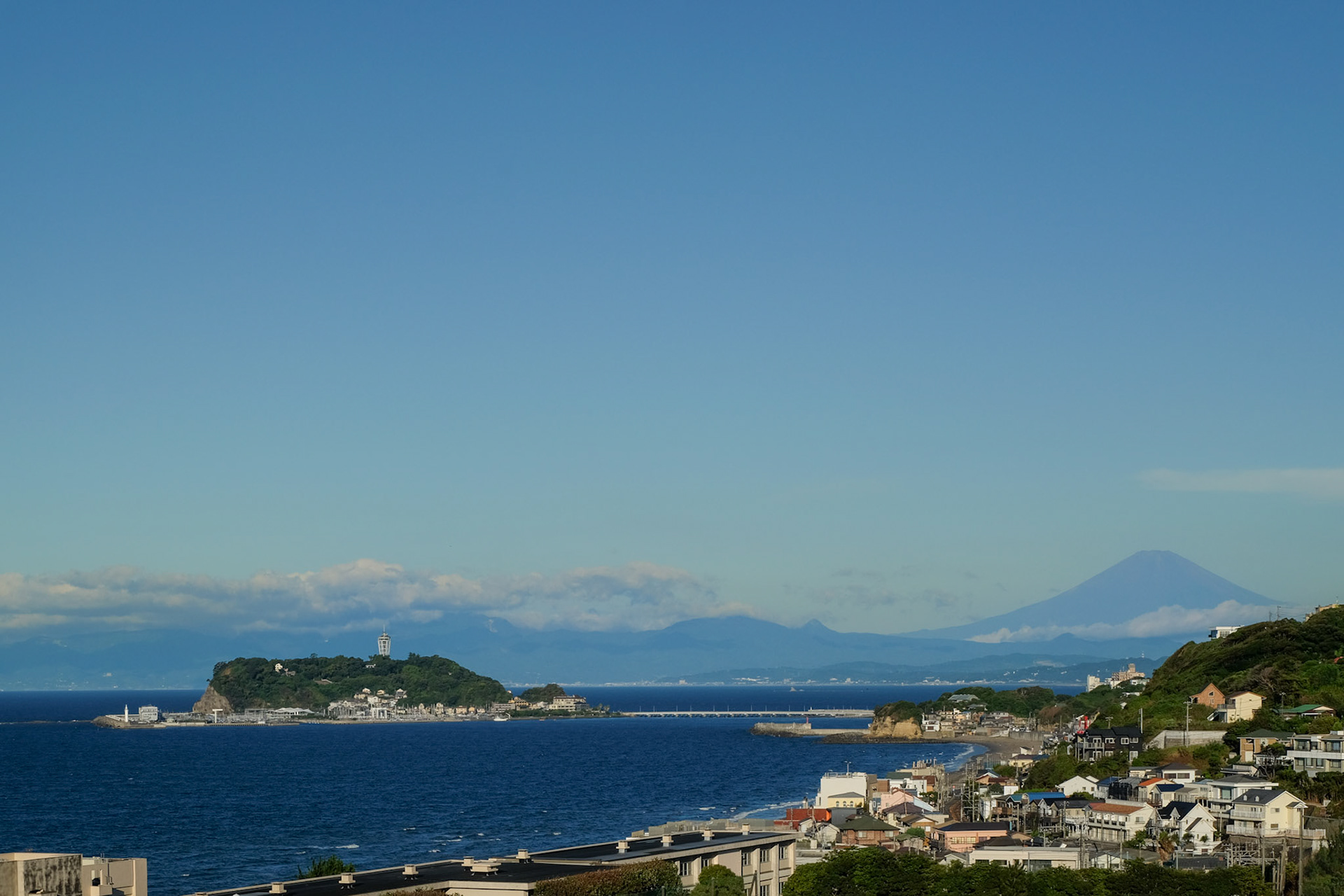
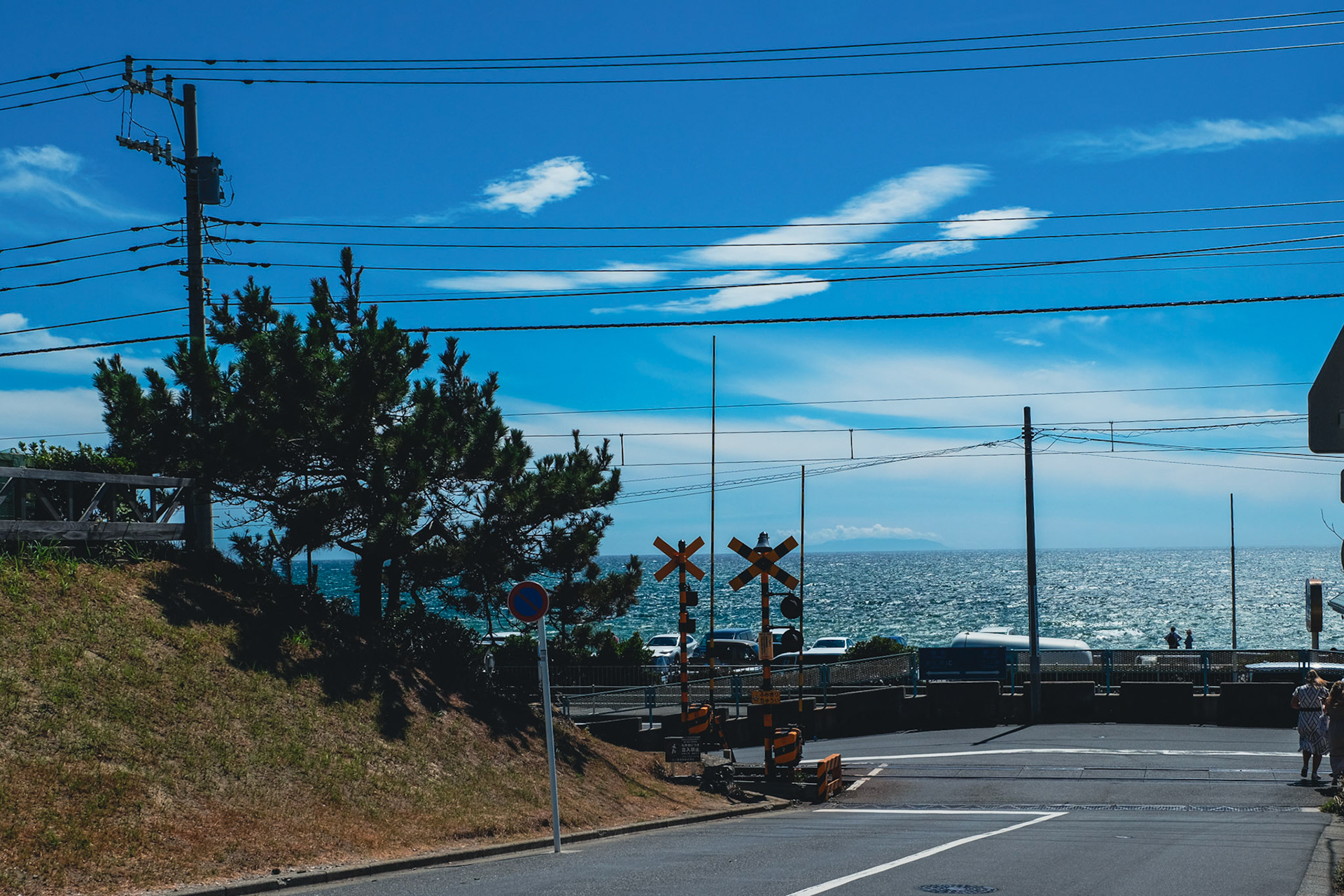
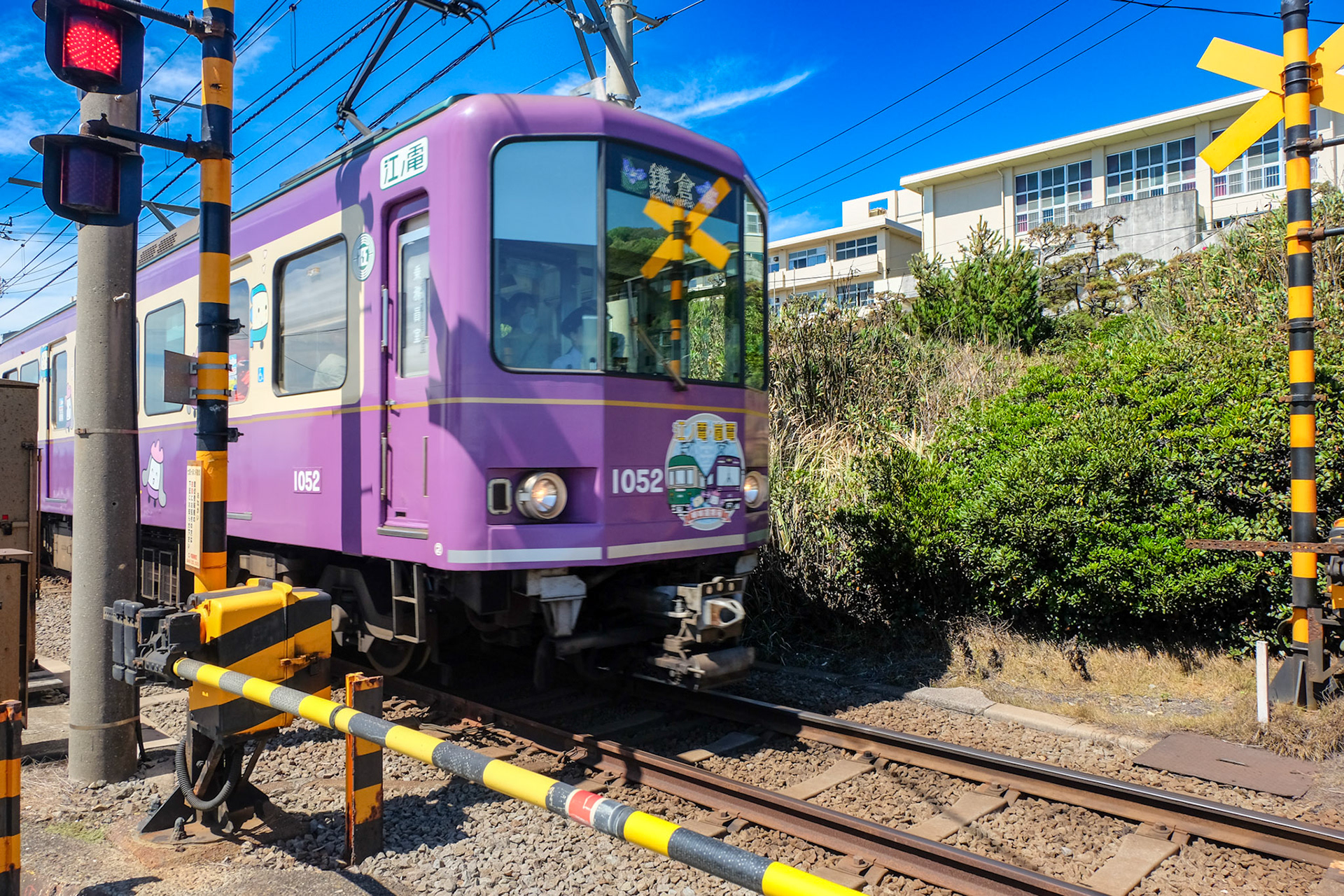
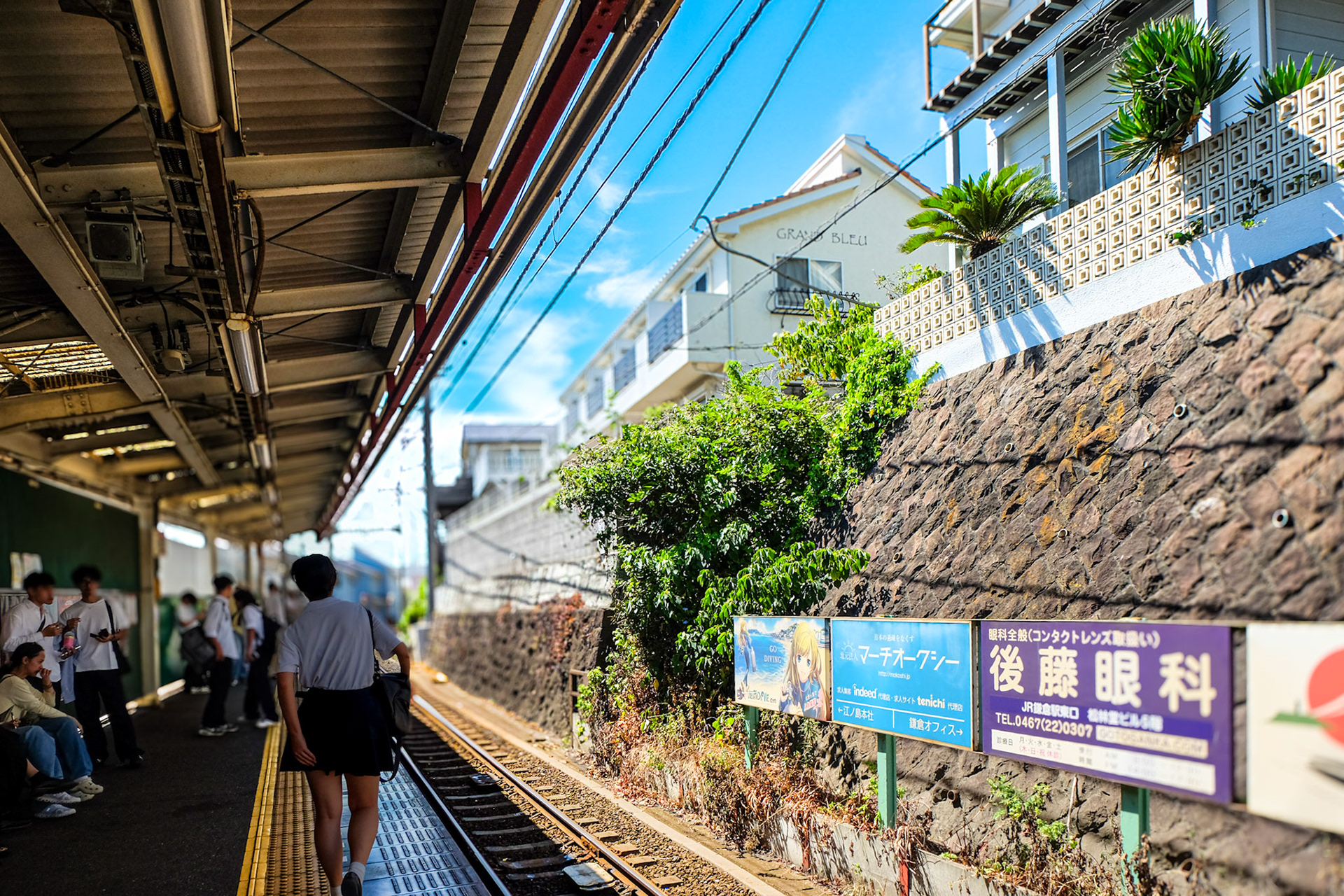
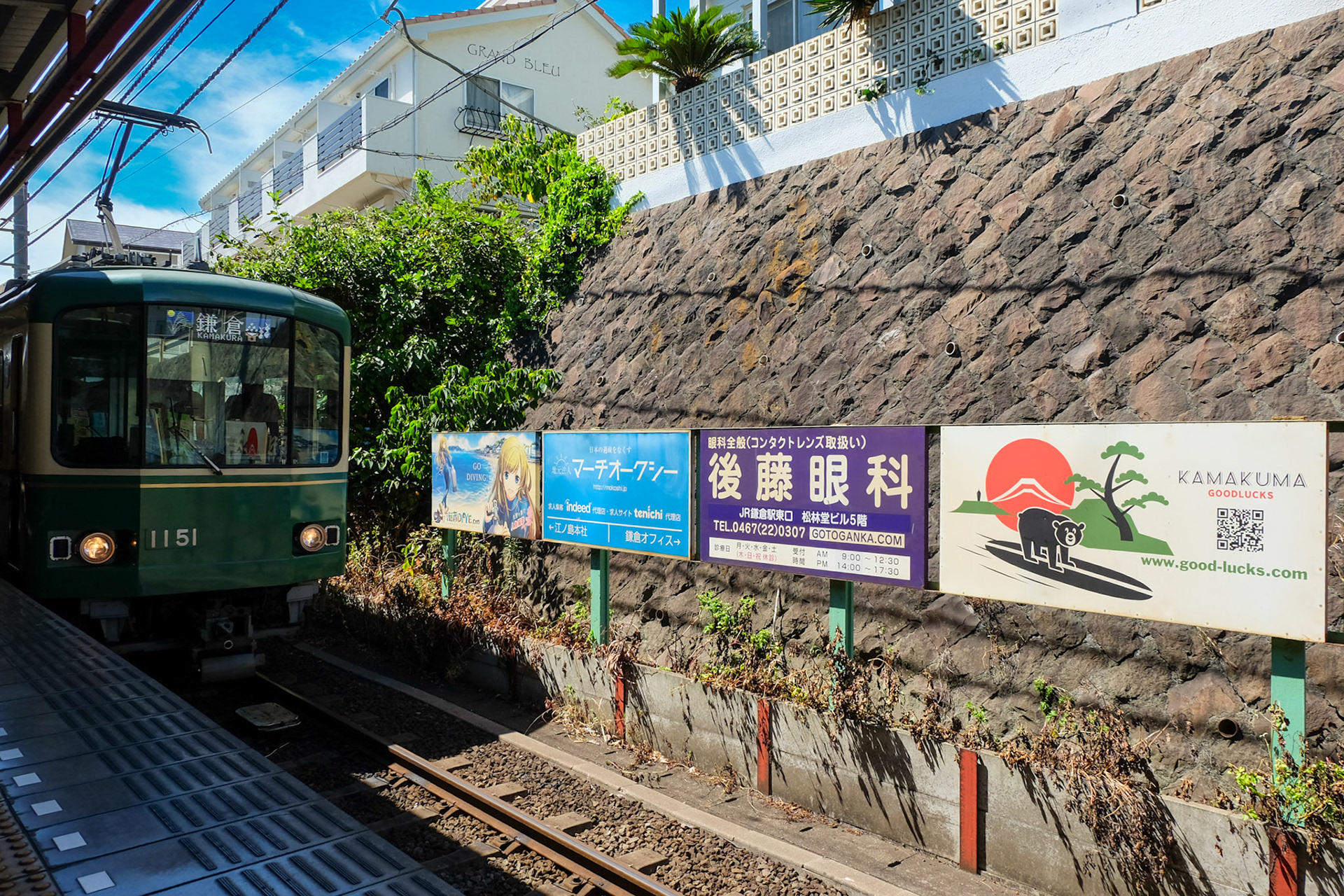
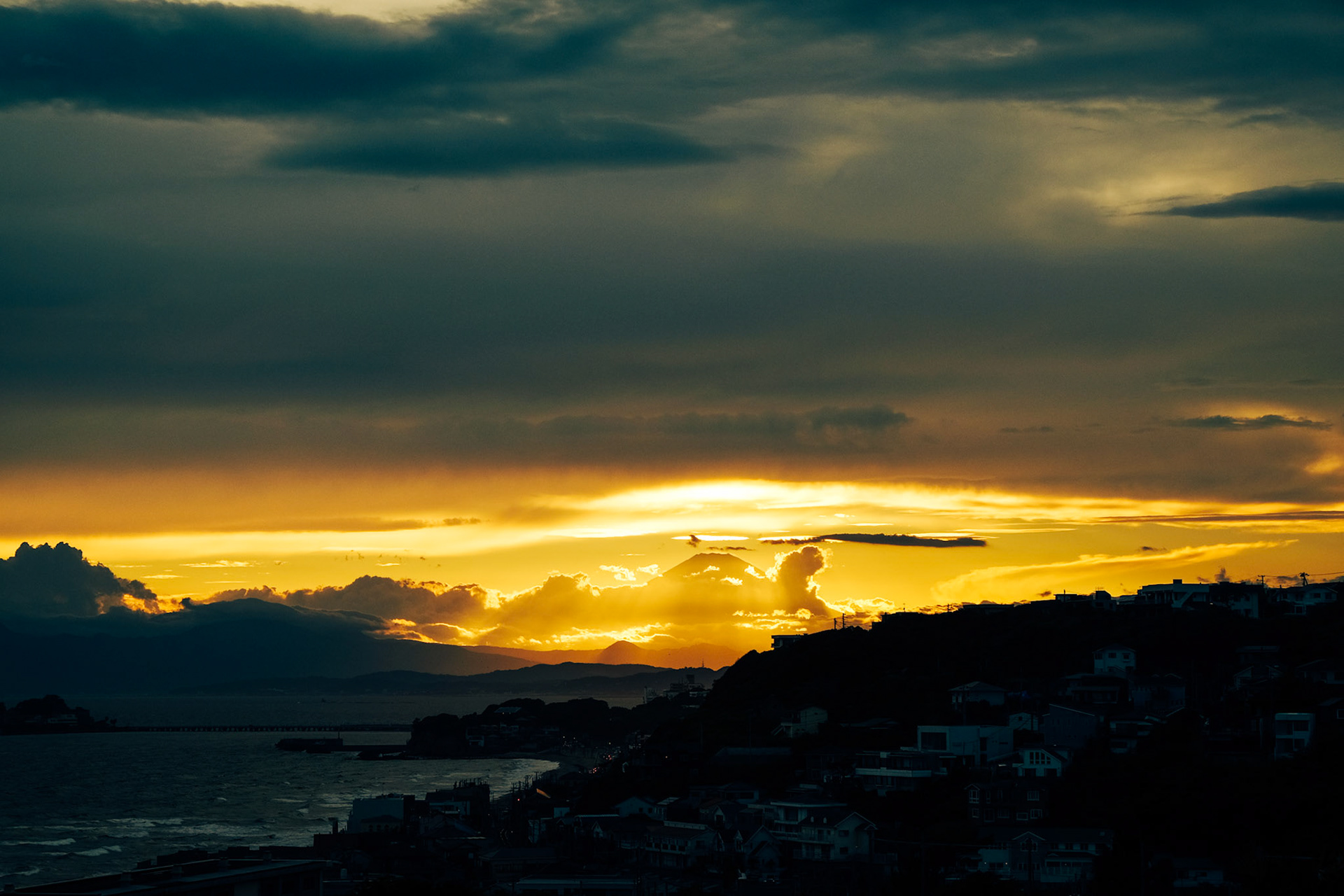
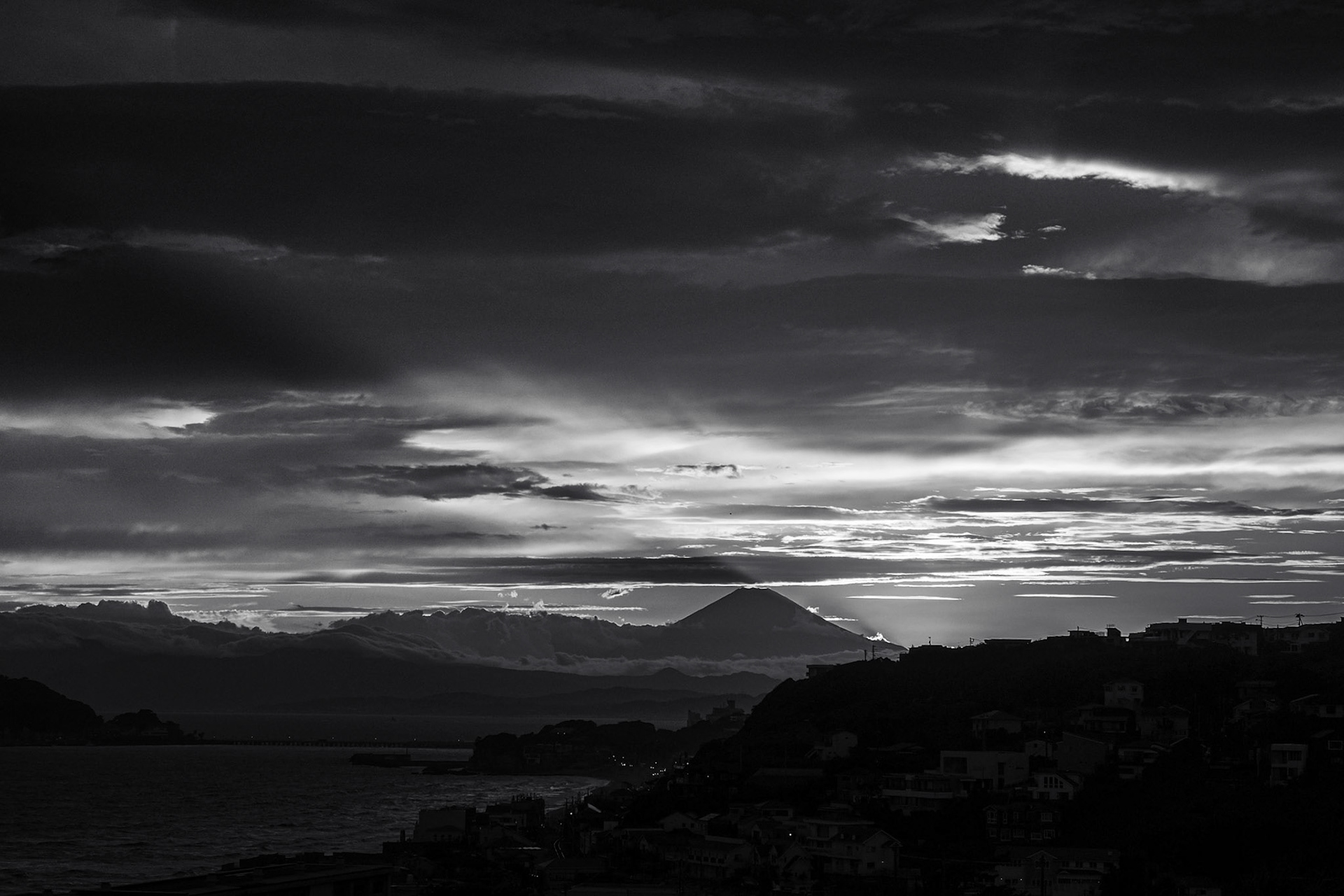
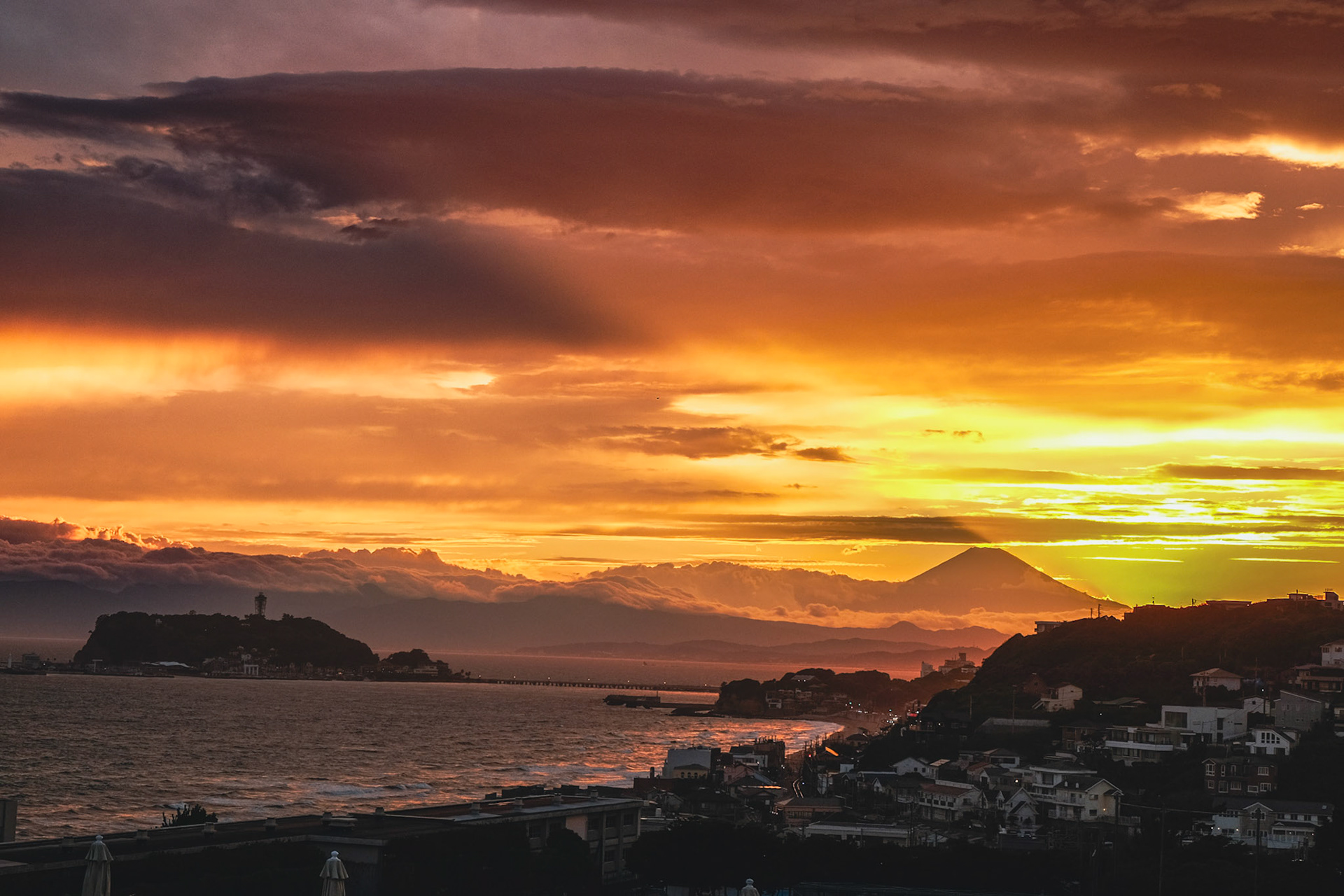
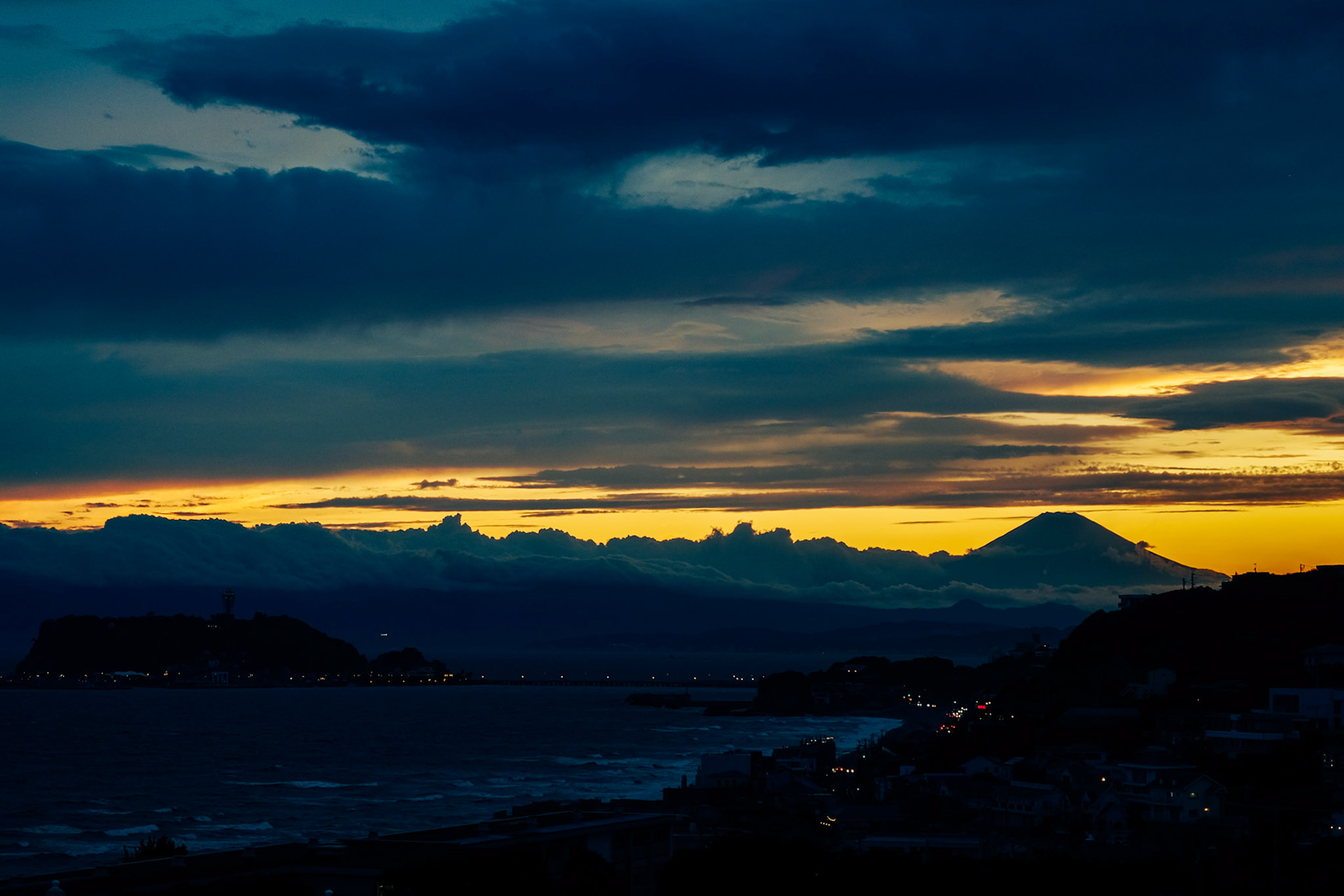
These days in Kamakura were mostly about the APMS 2025 Conference. We moved from our first hotel to the conference hotel, right by the coast — and suddenly our window opened to the Pacific Ocean… and to Mount Fuji in the distance. On the second day, I presented my paper, one of the reasons for this trip. It was a long and intense day, but also a very special moment. From the hote,l we could see Fuji clearly in the morning. As the day warmed up, clouds slowly formed around the mountain, and it would disappear behind them — only to reappear again later. Watching that rhythm became part of the day. I ended up taking many photos of Fuji from the same spot, just observing how the light and the sky kept changing. Sunset was the moment when I could really experiment with the camera — colours shifting from blue to gold, clouds catching the last light, and the mountain's silhouette quietly in the background. In between conference sessions, there was still time to walk a little through the town, see the iconic Kamakura train passing by, and head into the city for dinner. Work, travel, photography, and Fuji watching — a beautiful rhythm for these days in Kamakura. 🤍 A small poetic coincidence of these days in Kamakura: photographing Mount Fuji with a FujiFilm camera. Did you know that the brand's first logo featured a drawing of Mount Fuji? 𝐀𝐛𝐨𝐮𝐭 𝐭𝐡𝐞 𝐩𝐥𝐚𝐜𝐞𝐬 The Enoden Line (Enoshima Electric Railway) is one of the most iconic local trains in Japan. Running between Kamakura and Fujisawa, it passes through quiet neighbourhoods, small streets and along the coast, often just a few meters from houses and the ocean. On clear days, the line offers beautiful views of Mount Fuji across Sagami Bay. From Kamakura’s coastline, Fuji can sometimes be seen early in the morning or around sunset, before clouds begin to form as the day warms up. The small island visible in some of the photos is Enoshima — a popular seaside destination known for its shrines, lighthouse and ocean views.